

The evolution of gambling a historical journey through chance and strategy
Ancient Beginnings of Gambling
The history of gambling can be traced back to ancient civilizations where games of chance began to take shape. Archaeological findings suggest that gambling practices emerged in China as early as 2300 BC, primarily through dice games and rudimentary betting systems. The use of animal bones for casting lots was common, reflecting a deep-seated cultural belief in fate and luck, and more recently, players have turned to options like non gamstop casinos uk for varied experiences.

Similarly, ancient Mesopotamia and Greece developed their own games that involved wagering. In these societies, gambling was intertwined with social and religious practices, often considered a way to communicate with the divine. The Romans also popularized betting games, which laid the groundwork for more organized gambling structures in later centuries.
The Middle Ages and the Rise of Gambling Institutions
During the Middle Ages, gambling became more structured, with the establishment of gambling houses and the development of card games. In Europe, the introduction of playing cards in the 14th century revolutionized gambling, as it allowed for more strategic gameplay compared to earlier dice games. This era also saw the rise of lotteries as a means for governments to raise funds, combining chance and public interest.
In this period, gambling began to attract the attention of legal authorities. Various laws were enacted to regulate gambling practices, reflecting societal concerns about moral decay associated with excessive betting. Yet, despite these regulations, gambling continued to thrive, often seen as a leisure activity among the nobility and common folk alike.
The Impact of the Enlightenment and Modern Gambling
The Enlightenment brought significant changes to the gambling landscape, as reason and strategy began to influence how people approached games of chance. Mathematical principles, notably probability theory, emerged during this era, allowing gamblers to make more informed decisions. This intellectual shift marked a departure from purely luck-based gambling towards a more strategic mindset.
In the 19th century, casinos began to emerge as glamorous destinations for gamblers, featuring elaborate games such as roulette and baccarat. The establishment of regulatory frameworks in countries like France and Italy helped legitimize gambling, attracting a wide array of players and contributing to the popular culture surrounding it. This period solidified the role of chance and skill in gambling, setting the stage for modern gaming practices.
The Digital Revolution and Contemporary Gambling
The late 20th and early 21st centuries witnessed a technological revolution that transformed gambling into a global phenomenon. The advent of the internet allowed for online casinos and betting platforms, making gambling accessible to a broader audience. This shift not only enhanced convenience but also introduced new forms of gaming, such as online poker and sports betting.
However, with these advancements came new challenges, including concerns over addiction and regulation. Governments worldwide began to adapt to this new landscape, implementing policies to ensure responsible gambling and consumer protection. The blend of chance and strategy remains a central theme in modern gambling, as players utilize technology to refine their skills and increase their chances of success.
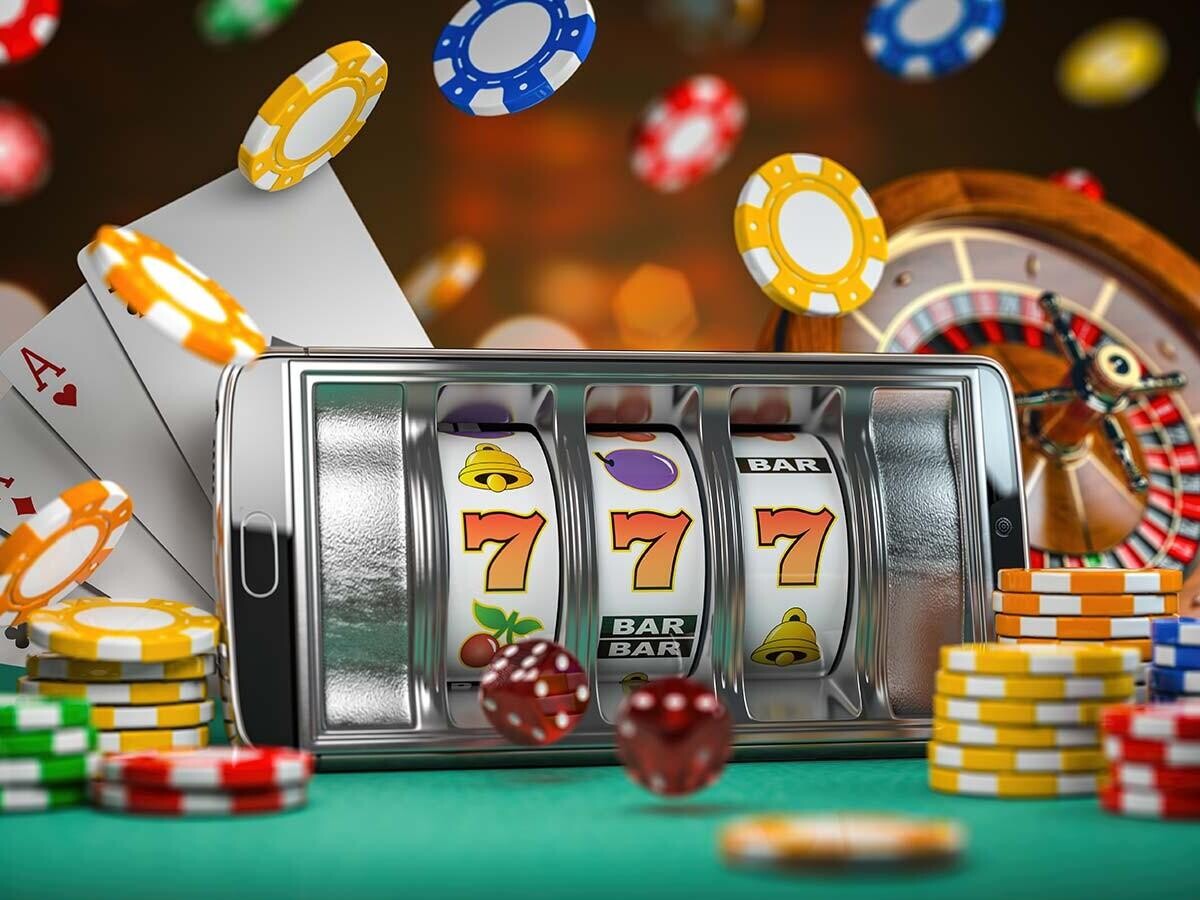
Exploring Personalized Gambling Experiences
As the gambling industry continues to evolve, personalized experiences are becoming increasingly popular. Whether through tailored gaming options or customized betting strategies, players are looking for ways to enhance their gambling adventures. This trend mirrors the broader movement towards customization in various sectors, enabling individuals to engage more deeply with their chosen activities.
In this context, platforms dedicated to personalized experiences play a crucial role. They not only offer innovative ways for users to interact with gambling but also promote responsible gaming practices, ensuring that players can enjoy their experiences while being mindful of their limits. The future of gambling promises to be as dynamic and engaging as its rich history.