

The journey of casinos tracing the roots of chance and fortune
The Historical Origins of Gambling
The journey of casinos can be traced back to ancient civilizations, where gambling was an integral part of social and cultural practices. The earliest records of games of chance date back to around 3000 BC in ancient China, where rudimentary forms of lottery games emerged. Similarly, the Romans engaged in various betting activities, demonstrating that the allure of chance has always captivated human interest. With the advent of modern technology, Ice Fishing Live has become a thrilling game that combines traditional elements with interactive experiences.
As societies evolved, so did gambling. By the Middle Ages, gambling houses began to emerge across Europe, serving as the precursor to the modern casino. These establishments offered a variety of games, from dice to card games, reflecting the growing fascination with fortune and chance.
The Rise of the Casino Industry
The modern casino as we know it began to take shape in the 17th century with the establishment of the first official casino in Venice, Italy. This marked a significant shift, as gambling moved from private homes and taverns to dedicated venues where people could indulge in games of chance. The Venetian Casino set the stage for a burgeoning industry, combining entertainment with the thrill of betting. Today, various popular casino games explained offer different ways for players to engage with the concept of chance.
As the concept of the casino spread across Europe, iconic establishments like Monte Carlo’s Casino de Monte-Carlo emerged, further popularizing gambling as a fashionable pastime among the elite. This era laid the groundwork for the expansion of casinos into the vibrant hubs we see today, especially in places like Las Vegas and Macau.
The Evolution of Casino Games
Casino games have seen significant evolution over the centuries, driven by technological advancements and changing player preferences. Traditional games such as poker, roulette, and blackjack have evolved, incorporating various rule variations and strategies that continue to attract players. The introduction of electronic gaming machines in the 20th century revolutionized the industry, offering a faster-paced and engaging experience.
Today, online casinos have taken this evolution a step further, providing players with the chance to enjoy their favorite games from the comfort of their homes. Innovations like live dealer games blend the authenticity of real casinos with the convenience of online gaming, creating a seamless experience that appeals to a broad audience.
The Role of Chance and Luck in Casino Culture
At the heart of every casino is the concept of chance. The thrill of the unpredictable, the excitement of winning against the odds, and the inevitable losses create a unique atmosphere that keeps players coming back. Chance is not just a component of the games; it embodies the very spirit of gambling, where fortunes can change in an instant.
Moreover, the cultural perception of luck plays a significant role in how players engage with casinos. From superstitions to rituals, many believe that certain behaviors can influence their chances of winning. This intersection of psychology and luck adds an extra layer of excitement to the gambling experience, making each visit to a casino an adventure.
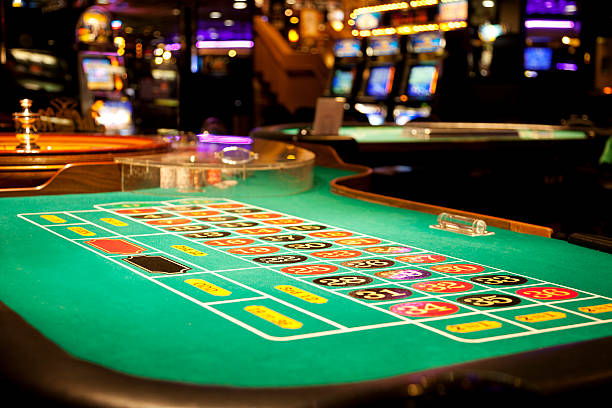
Exploring Online Casinos and Their Impact
The rise of online casinos has transformed the gambling landscape, making it accessible to a global audience. With just a few clicks, players can access a vast array of games, ranging from classic table games to innovative live dealer experiences. This shift has democratized gambling, allowing more people to partake in the thrill of chance.
Moreover, online casinos are continuously evolving, integrating cutting-edge technology to enhance user experience. From virtual reality gaming to mobile-friendly platforms, these advancements ensure that the journey of casinos continues to thrive in the digital age, appealing to both traditional players and tech-savvy newcomers.