

The evolution of casinos tracing their historical roots and cultural impact
Early Beginnings of Gambling
The origins of gambling can be traced back to ancient civilizations, where games of chance were deeply woven into the social fabric. Archaeological findings suggest that as early as 3000 BC, the Chinese used rudimentary dice, while similar gaming artifacts have been discovered in ancient Rome and Greece. These early forms of gambling were often intertwined with cultural rituals and social gatherings, serving both entertainment and community bonding purposes. Interestingly, some modern players explore advanced strategies to maximize their chances, like those found in top offshore casinos.
As societies evolved, so too did the nature of gambling. In medieval Europe, gambling became a popular pastime among nobility, leading to the establishment of the first known gambling houses. These establishments laid the groundwork for what would eventually develop into modern casinos, highlighting the blend of leisure and wealth that gambling represented in affluent circles.
The Rise of the Casino
The formalization of casinos began in the 17th century with the opening of the first official gambling house in Venice, Italy. Known as “Il Ridotto,” this establishment provided a controlled environment where patrons could engage in gambling under regulated conditions. The success of Il Ridotto paved the way for similar establishments across Europe, making casinos a staple of nightlife in cities like Monte Carlo and Paris.
By the 19th century, the concept of the casino had expanded globally, with venues springing up in the United States and beyond. The allure of wealth and entertainment attracted a diverse clientele, solidifying casinos as centers of both social interaction and economic activity. This evolution not only transformed gambling into a mainstream entertainment option but also influenced the architecture and ambiance of these establishments, reflecting the cultural values of their respective eras.
Casinos in the Modern Age
The 20th century marked a turning point for casinos, particularly with the legalization of gambling in Nevada in the 1930s. Las Vegas emerged as the epicenter of casino culture, transforming from a dusty desert town into a dazzling metropolis of entertainment. The introduction of elaborate shows, luxury accommodations, and themed casinos redefined the gambling experience, attracting millions of visitors annually.
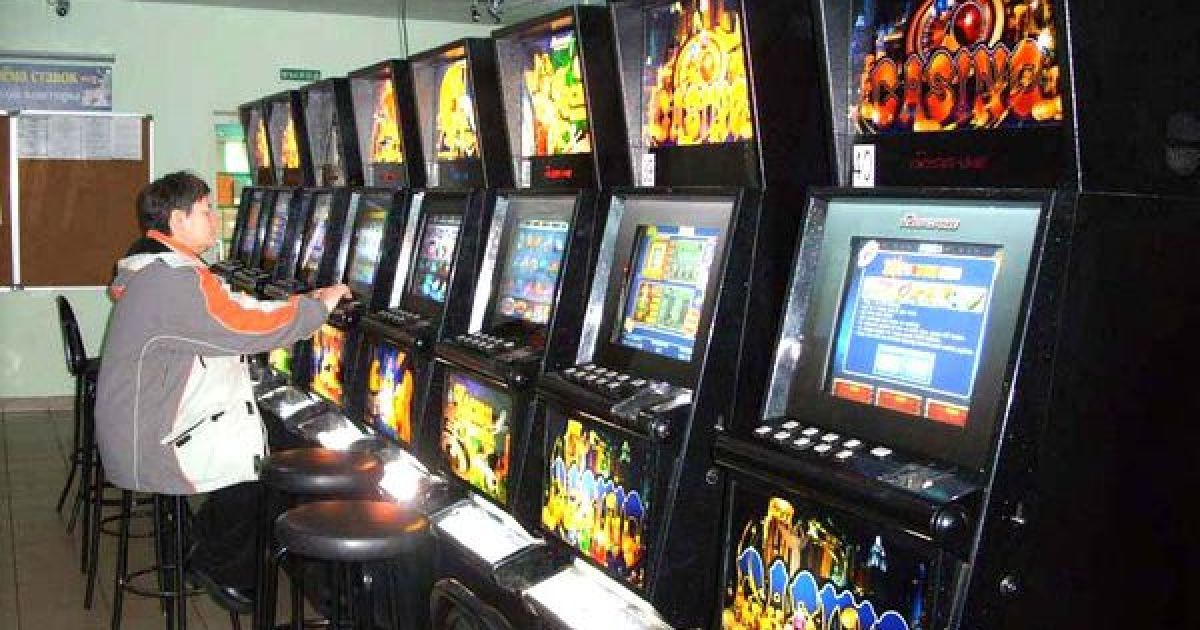
Furthermore, technological advancements brought about significant changes in casino operations. The incorporation of electronic gaming machines and online gambling platforms introduced new ways for people to engage with games of chance, appealing to a broader audience. This modern evolution reflects not only a shift in consumer preferences but also a cultural integration of gambling into mainstream society, making it a prevalent form of leisure.
Gambling as a Cultural Phenomenon
The cultural impact of casinos extends far beyond mere entertainment; they play a significant role in shaping social norms and perceptions about gambling. In many societies, casinos are seen as symbols of luxury and excitement, often depicted in films and literature as places where fortunes can be won or lost. This portrayal has contributed to a romanticized view of gambling, where risk-taking is celebrated as part of the thrill.
However, this cultural fascination also comes with complexities. The rise of casinos has led to discussions surrounding responsible gambling and the potential societal implications of addiction. As casinos continue to evolve, they are increasingly required to address these issues through initiatives aimed at promoting safe gambling practices, reflecting a growing awareness of the responsibilities that come with such powerful cultural institutions.

JudicialSelection.us and Its Role in Understanding Casino Culture
Understanding the evolution of casinos and their cultural impact can be enhanced through platforms like JudicialSelection.us, which provide comprehensive information about the regulatory frameworks surrounding gambling. This platform empowers citizens by educating them about the legal processes that govern judicial appointments, which can indirectly influence gaming regulations and policies.
By engaging with resources that explain the nuances of judicial selection, individuals can gain insights into how laws are shaped and how they affect the casino industry. As the relationship between culture and governance continues to evolve, informed citizens can play a crucial role in shaping the future of gambling and its place in society.